
Lissa On: Ye Olde Sibling Rivalry
and not having your former rival around to put it behind you

If you’ve grown up with one or more siblings, you understand the dichotomy of that relationship. That siblings are your first friends as well as your first enemies, your most abiding allies as well as your closest competition. They may, say, grant a friend permission to beat you up on the way home from school one day but on another, insist you be allowed to sit in the front seat of your neighbour’s car for the three-hour drive to their cottage because you have a tendency to barf in the back. Or cheerily accept praise from your grandmother for the duet you sing together but then whisper in your ear that only she has the good voice. Just, you know, as some random examples.
If siblings spend eighteen overlapping years in the family home, that’s roughly 6,000 days of forced togetherness. Six thousand days of fights and singing performances, shouting matches and laughing until you cry. If you’re lucky, as I was, those days set you up for a lifetime of closeness. But with closeness comes conflict. And with grown siblings who are no longer fighting for the proverbial parental resources, I think that’s at least partially due to something called the Black Sheep Effect. In a nutshell, the BSE suggests our sense of self is derived from membership in a particular group, and that makes us invested in that group’s cohesiveness, in its norms and practices. Which in turn makes us more critical of group members who deviate from those norms and practices than we are of non group members who do the same.
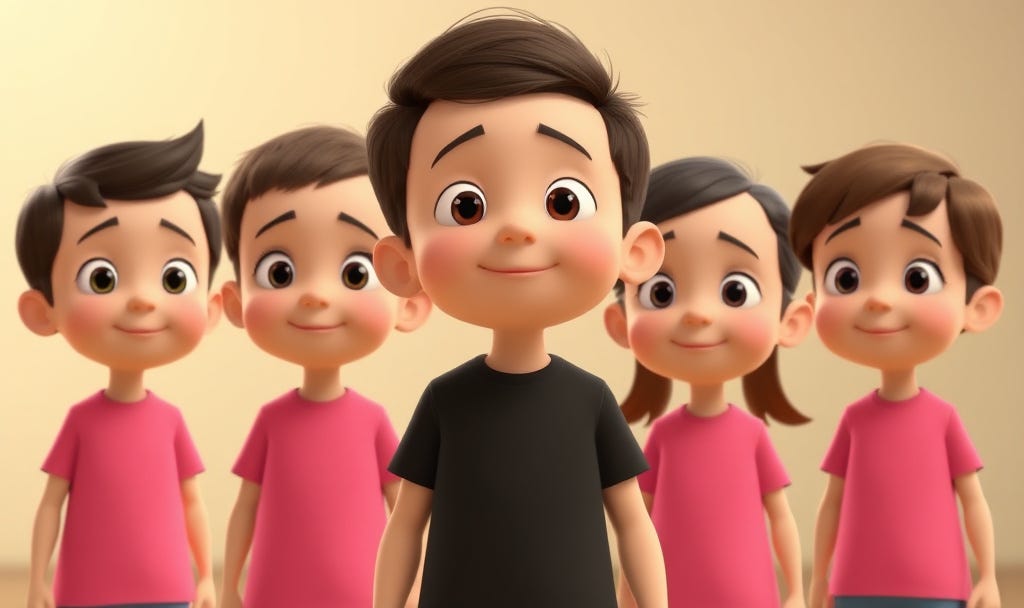
So when some rando loves processed cheese slices and all-inclusive beach vacations, two things you may hate, you spare them an eye roll and move on. But if your sibling does? Well. We love stinky cheese and we like active vacations, thank-you-very-much, and how dare you be different from me and our family of origin? And though I wouldn’t say Carrie and I fought much (or at all) once we left the family home, there were a myriad of small, unspoken differences—rivalries, maybe—that cropped up as we established our own lives and families, our own ways of doing things. And though those things were insignificant, the po-tay-to/po-tah-to of life choices, they generated slivers of friction that we didn’t get the chance to smooth over.
Research confirms what we may already know from experience, that sibling relationships grow to contain less conflict and more affection over the lifespan. And though I would say there already was much love and little discord between Carrie and I when she passed away, I hate that we didn’t get to take our sibling relationship through to our collective old age. That we didn’t get to laugh about how seriously we took ourselves when we were younger and each thought we were making the best and only choice for ourselves and our families. When we each thought the other was the group member who’d strayed.
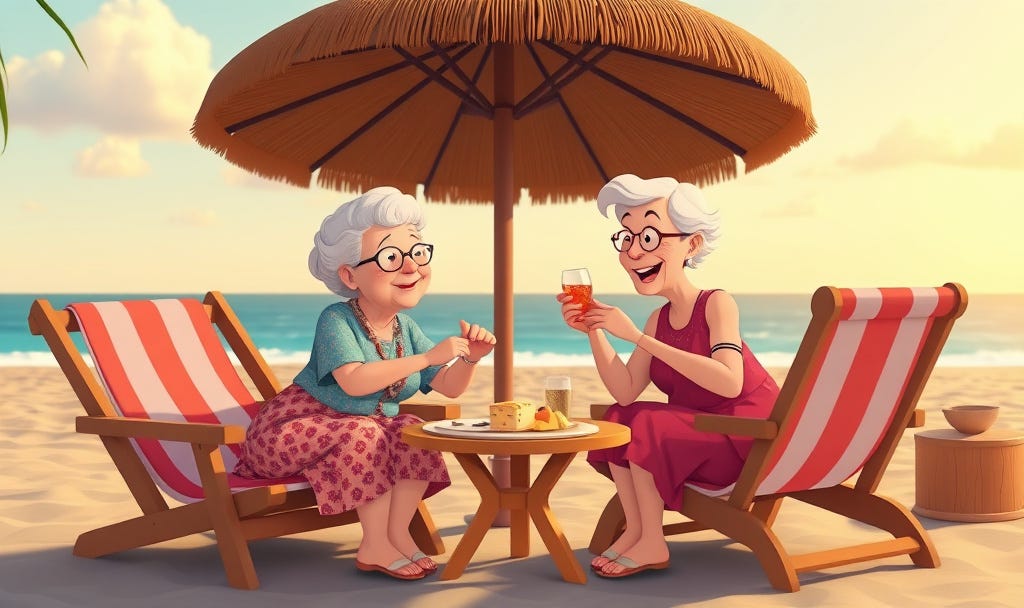
When your sibling dies, your relationship dies, too. If you’re lucky, there aren’t any significant unresolved disputes or major grievances to obsess over after they’re gone. But even if you are lucky, you might still rue the way you focused on the tiny differences between you instead of your innumerable similarities. Carrie and I shared 50% of our DNA and spent more than nineteen years—7,039 days less sleepovers—living under the same roof. And I wish I had remembered that when she was alive. Now, I wish we could look forward to a future of cheese platters piled high with the stinkiest of blue cheeses and the mildest of cheddars, to the laziest of beach vacations during which we could sit side-by-side in lounge chairs and have ourselves an old lady picnic.