
Susan
On losing Lisa
by Susan Cesari
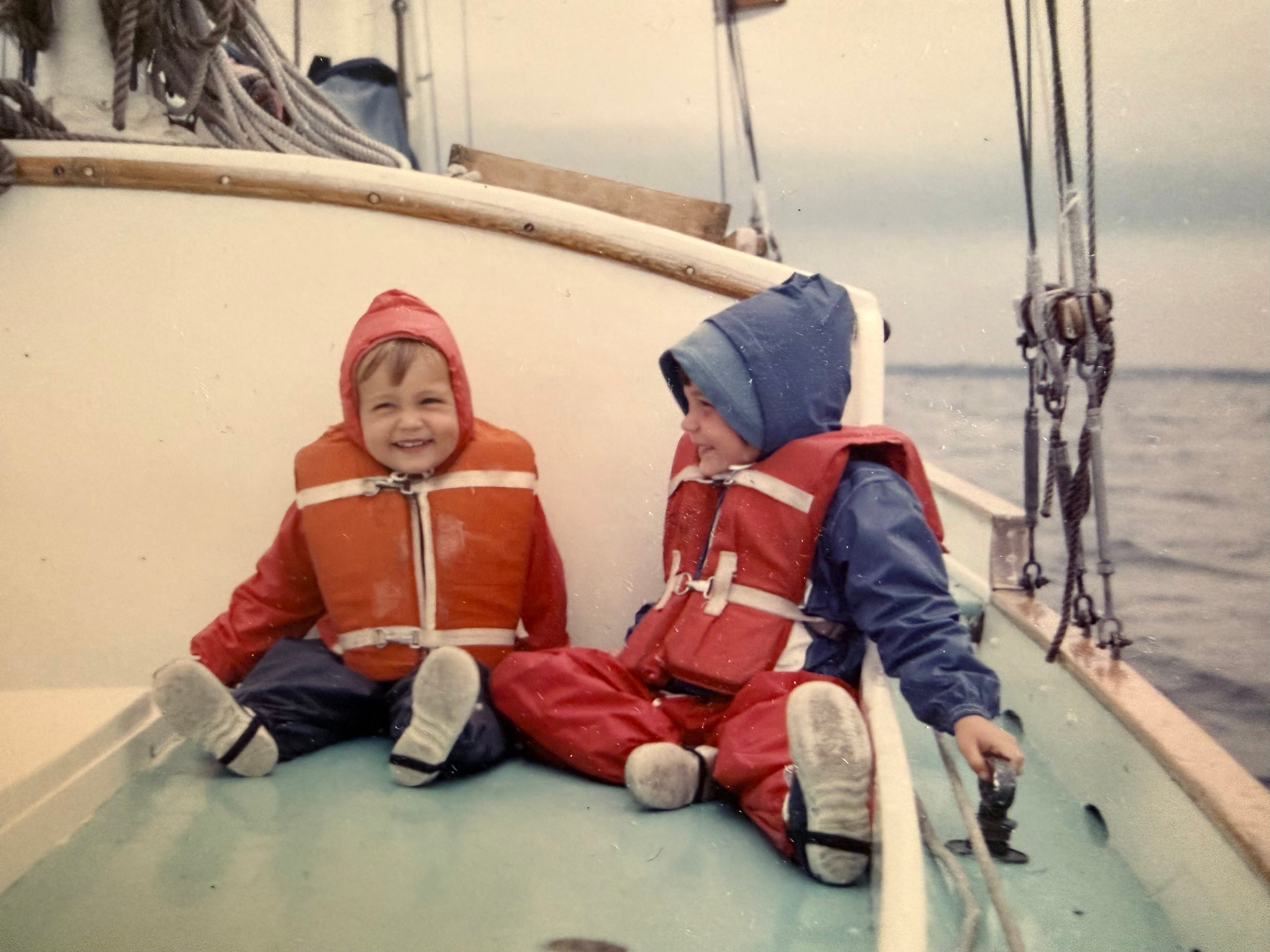
The profound insult of the loss of a loved one is that the world goes on. The sun rises. Birds sing. Food is delicious. Books are great. But nothing can ever be shared with that person again, and sharing is the real experience of being a sibling. Having a sibling is how you learn to share. My kids sometimes nod knowingly when accepting some moments of rudeness from a friend: oh, she’s an only child. They understand in their hearts that you learn sharing deeply from being with your siblings. You share the good and you share the bad. Happy vacation memories, happy staying at home sick memories, happy dressing up memories, happy family meal memories. You also share memories of unhappy family fights, difficulties, even betrayals, and getting through them together.
Lisa and I only had one big fight ever, about where she would live during her cancer treatment. I got her into a study at the Princess Margaret Cancer Centre, and I was planning to help her find an apartment in Toronto for a few months. She preferred to stay in the log cabin she and her husband had built on my mom’s 100 wild acres, with no running water and only a wood stove for heat. Her doctor said that being with her animals, in her own home, in a kind of natural isolation was not actually the worst thing for a cancer patient, so I had to go with that. She had a way of being stubborn with a soft smile. It still makes me kind of mad.
I put a lot of miles on my car for a few years, driving a couple of hours to see her during a school day, coming back in time to share the dinner my husband organized. She gave the most cutting book review ever during that time: I am a fucking cancer patient with nothing to do but read, and even I can’t be bothered to take the time to finish this book. She once looked at her picc line and said: even if this is what my life is like, I would take as much as possible.
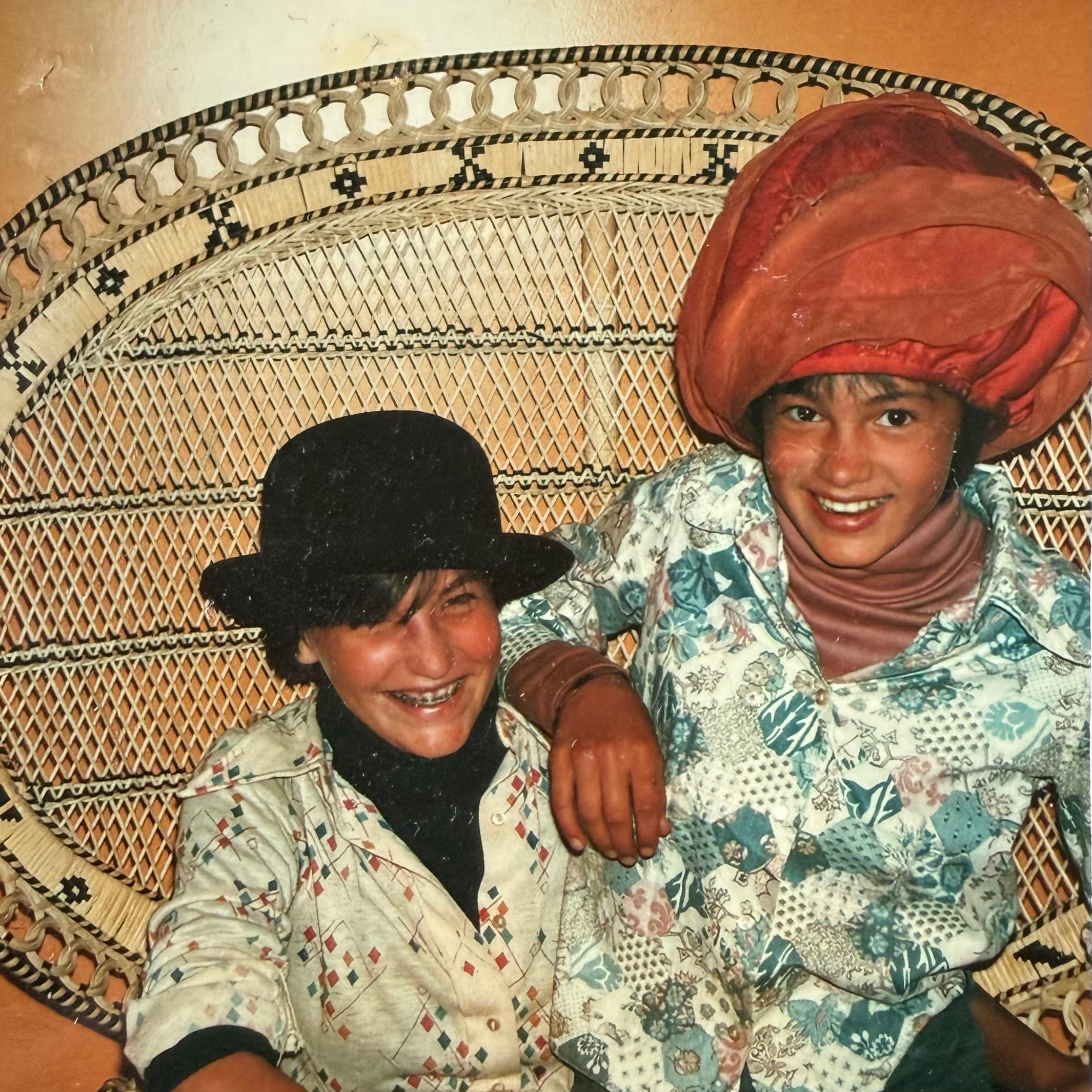
I lost my sister about 3 years after her diagnosis, when I was in my late forties. I was beginning menopause, and the combination was brutal. I was so sad and distracted and irritable, and I thought my new reality was that I had become a harridan. I felt like a harridan. Luckily, I did come through it all, back to my normal, cheerful self, and my family has always said their experience of me was different from my perception. But there are times when I ask myself if that is the right thing: how can I be cheerful and happy when my little sister has left her life so early? That happened a lot at first. It happens only occasionally now.
My godmother said something that I always pass along when expressing my condolences for a loss: the things that hurt the most at first become your most treasured memories once you get through the five years of grief. I am pretty sure that time estimate is correct, and I know her insight to be true. Responding to this prompt brought me to understand that when I think about Lisa, my attention goes to the memories I have of my sister and to the rich time we spent together when she was sick, more than to grief. Thank goodness.
Now I love finding my sister’s name written on the flyleaf of a book that I finally pick up to read. I loved finding her recipe file while sorting through some papers. I love seeing how much she and I look like my kids in our old photos. I love going to the place that reminds me of my sister’s alter ego: George of the Jungle, with no shirt on and a plastic knife in her hand. I remember calling her my little blister. I remember when we had chicken pox one summer but our parents still took us on a driving vacation. I remember the hours we spent listening to the radio and lying in the sun. I remember when we got fancy dresses for my grandmother’s second wedding. I remember when we had bronchitis for a few weeks and played thousands of games of backgammon. I remember how beautiful she looked when we got her dressed for her senior prom. I remember how kindly she looked after my parents in her house when our father was dying of cancer.
I am glad my kids knew her, and knew her cats and dogs. I am glad they were sad when she died. She loved them, although knowing them confirmed to her that she wasn’t going to have her own. Her circumstances weren’t right for it, and that was OK.
And my kids have each other, like we had each other. They know how to share, how to love, how to express anger and how to forgive. They have come to a new era of friendship as young adults, and they are still allies. We could not be honouring Lisa in a better way.